
Removal and abatement
Asbestos Removal in Smithtown, NY
The material comes out wet, sealed and labeled, and the room comes back to you only after the air clears.
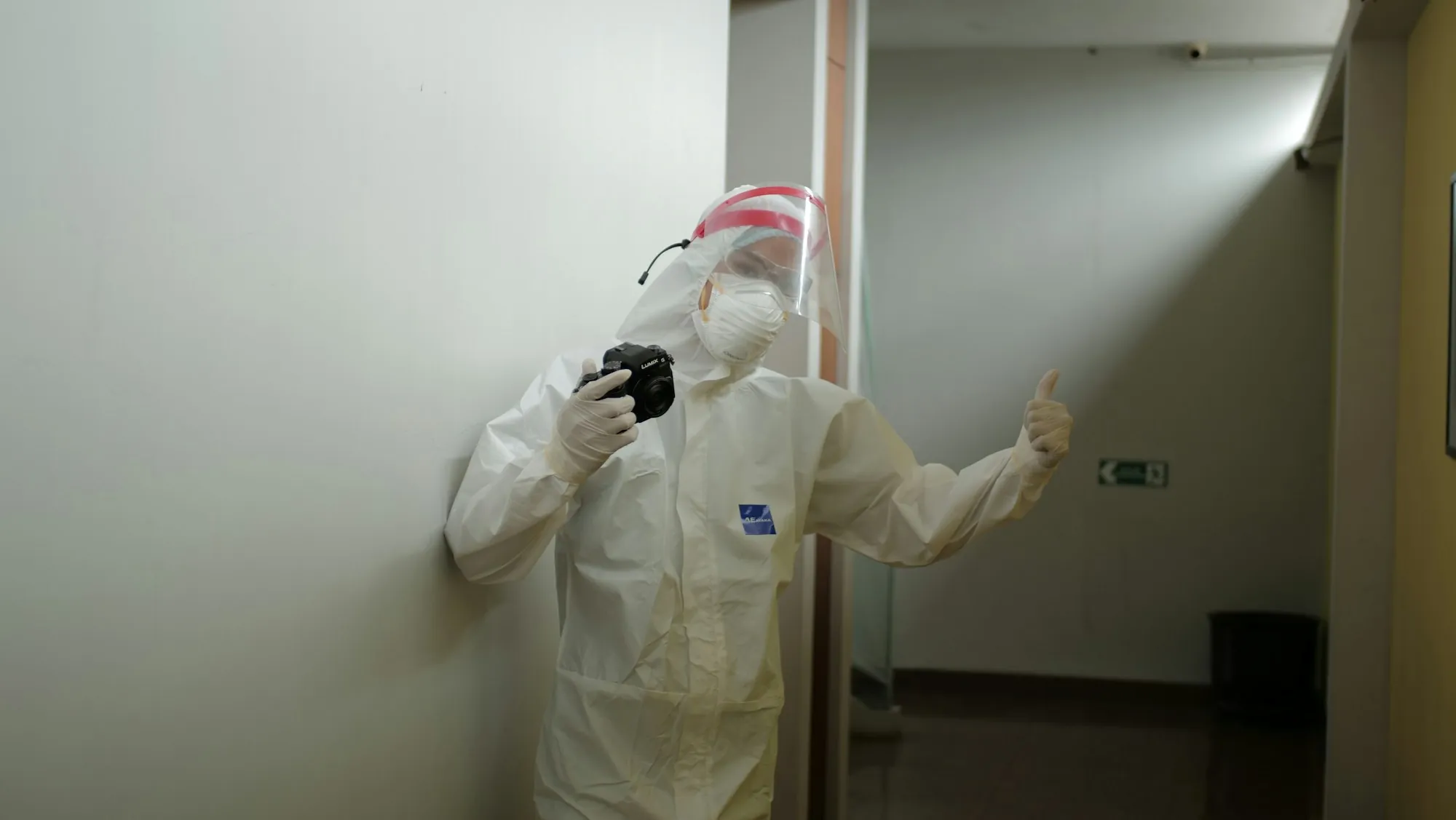
Out of the Building, Not Into the Air
Most asbestos sits quietly for decades. Wrapped around a heating pipe. Glued under a kitchen floor. Sprayed across a bedroom ceiling. Trouble starts when a project reaches it, because cutting, sanding or ripping it out is what sends fibers into the air. Smithtown Asbestos Removal takes that material out the controlled way. Licensed handlers seal the work area with plastic sheeting, close off vents and doorways, and run HEPA-filtered negative air so the zone draws air in rather than leaking it into the rest of the house. Handlers mist the material so it stays damp as it comes away, then pack it, seal it and label it before it leaves for a facility permitted to take it. On the list: boiler and pipe lagging, vinyl floor tile and the black adhesive beneath it, popcorn and other textured ceilings, joint compound, cement siding and roof shingles, plus duct wrap. Homes and commercial buildings both. The usual reasons people call: a kitchen or basement remodel, a new boiler, a home sale or a building coming down. Whatever the reason, the job ends the same way, with a HEPA vacuum pass, damp wiping and third-party air clearance before anyone moves back in.
Inside a Typical Removal
Every building differs, yet nearly every removal we run includes these pieces.
Testing first
Anything questionable gets sampled first. An accredited lab decides, so only true asbestos comes out.
A written scope
What comes out, how the zone is sealed and what clearance has to show, set down before the work begins.
Required notifications
Bigger jobs call for advance notice to the state, and we prepare that filing for you.
Full containment
Plastic on floors and walls, sealed openings and HEPA negative air running for the length of the job.
Wet removal
Material stays wet as it comes off, which keeps fibers from lifting into the air.
Sealed, labeled waste
Packed in bags or wrapping, sealed and labeled inside the zone, then hauled to a permitted disposal facility.
Detailed cleanup
HEPA vacuuming and wet wiping of every surface inside the containment.
Independent air clearance
A third party tests the air, and the space is released only when the results come back clear.
How Removal Moves From Call to Clearance
Look, sample, confirm
We talk through the material and the project, then a certified inspector samples what is suspect. Lab results decide what needs licensed removal, and the scope and price go into writing.
Seal and remove
Containment goes up and negative air starts running. Licensed handlers dampen the material, pry it loose and package it for disposal without carrying dust past the plastic.
Clean and clear
The zone is HEPA vacuumed and wiped down, the air is tested independently, and once it passes, your contractor or your family gets the room back.
Why Owners Trust Us With the Removal
Licensed people do the work
New York law puts this work in the hands of licensed contractors and certified handlers only. Nobody on the crew is learning on your job.
Dust stays where it belongs
Sealed openings and negative air are set up before a single tile is lifted, not halfway through.
A record you can show
We keep the disposal manifests and air clearance results, which helps at resale and when your contractor needs proof.
- HEPA negative air
- Wet removal methods
- Permitted disposal
- Independent clearance
Got Material Standing Between You and the Remodel?
Describe what you found and what the project is. You will hear whether it needs a test first, what removal involves and how it fits your schedule.