
Answered 24/7
Emergency Asbestos Removal in Smithtown and Nearby Towns
Something broke loose. Stop, step back, and get a licensed crew on the way to contain it and clean it up properly.
Broken, Torn or Soaked: What Happens Next
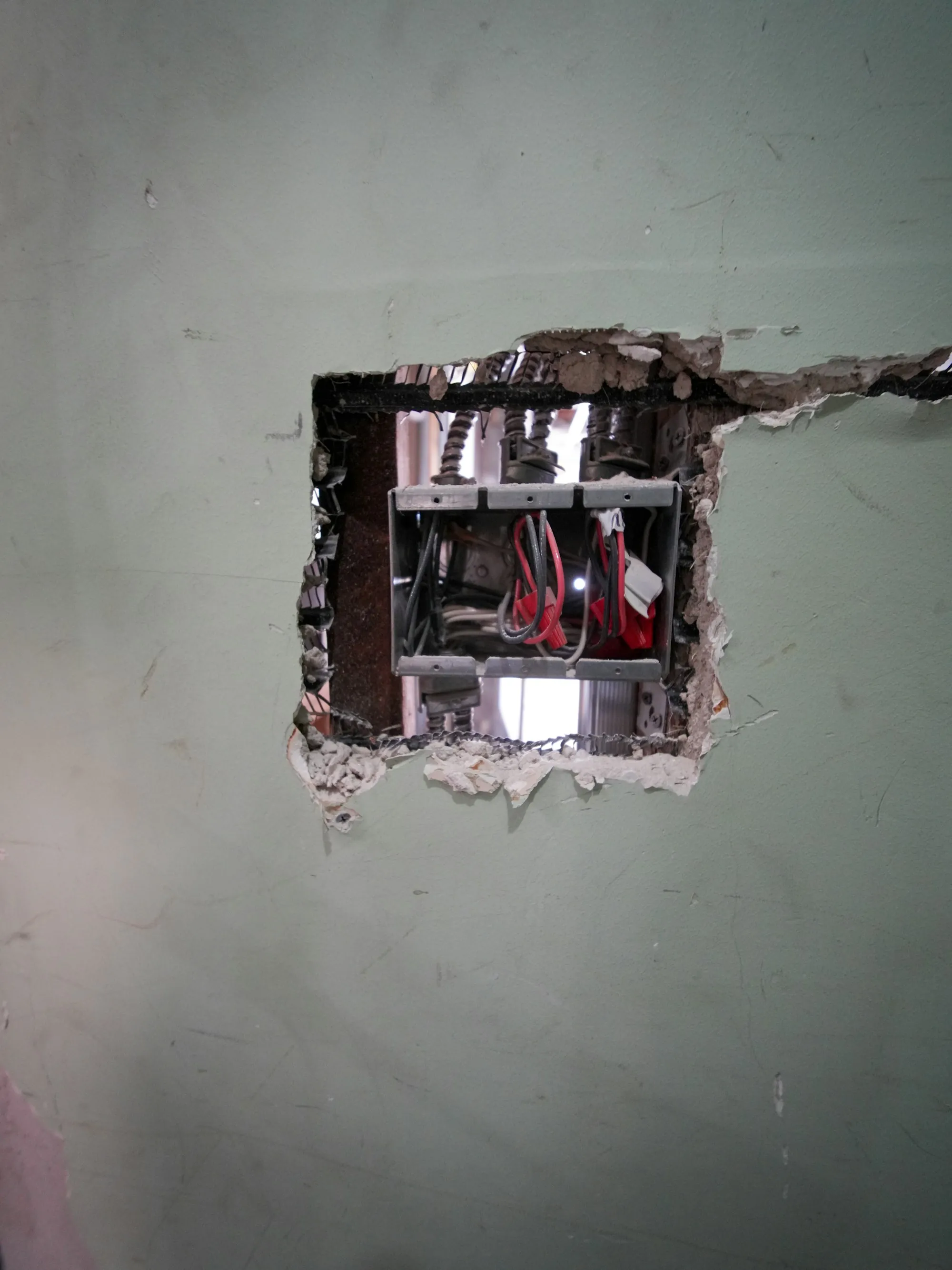
Nobody schedules an emergency. Water from a split supply line soaks the lagging in the boiler room. Smoke and heat damage a ceiling. High wind sends a branch through old cement siding. Or someone renovating, maybe a hired contractor, maybe a homeowner with a pry bar, lifts flooring and only afterward wonders what was underneath. Once suspect material is broken, priorities shift. First moves, in this order. Stop working. Move people and pets out of the space and close the door. Switch off the furnace or air conditioning serving that area so the system cannot circulate dust. Do not touch the debris: sweeping, vacuuming or bagging it yourself only carries fibers into other rooms. Then reach the emergency line, whatever the hour. Licensed handlers arrive to close off the space, put up containment and negative air, and mist the debris down. After that it is a controlled removal like any other: material packed and sealed, surfaces HEPA vacuumed and wiped, and an independent air clearance before the room is used again. If no one knows what the broken material is, sampling happens as part of the response.
On an Emergency Call-Out
Contain first, then remove the right way.
Someone picks up
Late night, weekend or holiday, a person answers and talks through the next steps.
Instructions while you wait
Clear direction on keeping people out, shutting down the HVAC and leaving the debris alone.
Isolating the area
Doorways, vents and openings sealed so the damage stays in one place.
Negative air setup
HEPA-filtered machines pull air into the affected zone instead of out of it.
Wetting and debris control
Loose material is kept wet so it does not lift into the air during cleanup.
Sampling when needed
If nobody knows what the material was, samples go to an accredited lab.
Licensed removal
Damaged material taken out, bagged, sealed, labeled and sent to permitted disposal.
Clearance before reuse
HEPA cleanup, damp wiping and third-party air sampling before the room reopens.
From the Phone Call to a Cleared Room
Call and stabilize
You tell us what happened and where. We talk you through keeping the space shut and the air system off until the crew arrives.
Contain the damage
The crew seals the space, gets negative air running and mists the debris so nothing more travels through the building.
Remove and clear
The damaged material comes out and is packed for disposal, surfaces get cleaned, and third-party air sampling confirms the room is clear.
Why People Call Us When Things Go Wrong
Calm on the phone
You get plain, steady instructions, not panic, while you wait for the crew.
Containment first
Spread gets stopped before anything else happens, which limits how much of the building is involved.
Done properly, even at night
Emergency work follows the same licensed procedures as a planned job. No shortcuts because it is late.
- Answered around the clock
- Area sealed first
- Wet cleanup methods
- Air cleared before reentry
Suspect Material Just Broke Loose?
Leave it where it is, keep people away and switch off the heating or cooling for that space. Then pick up the phone. A licensed crew can be on the way at any hour.